
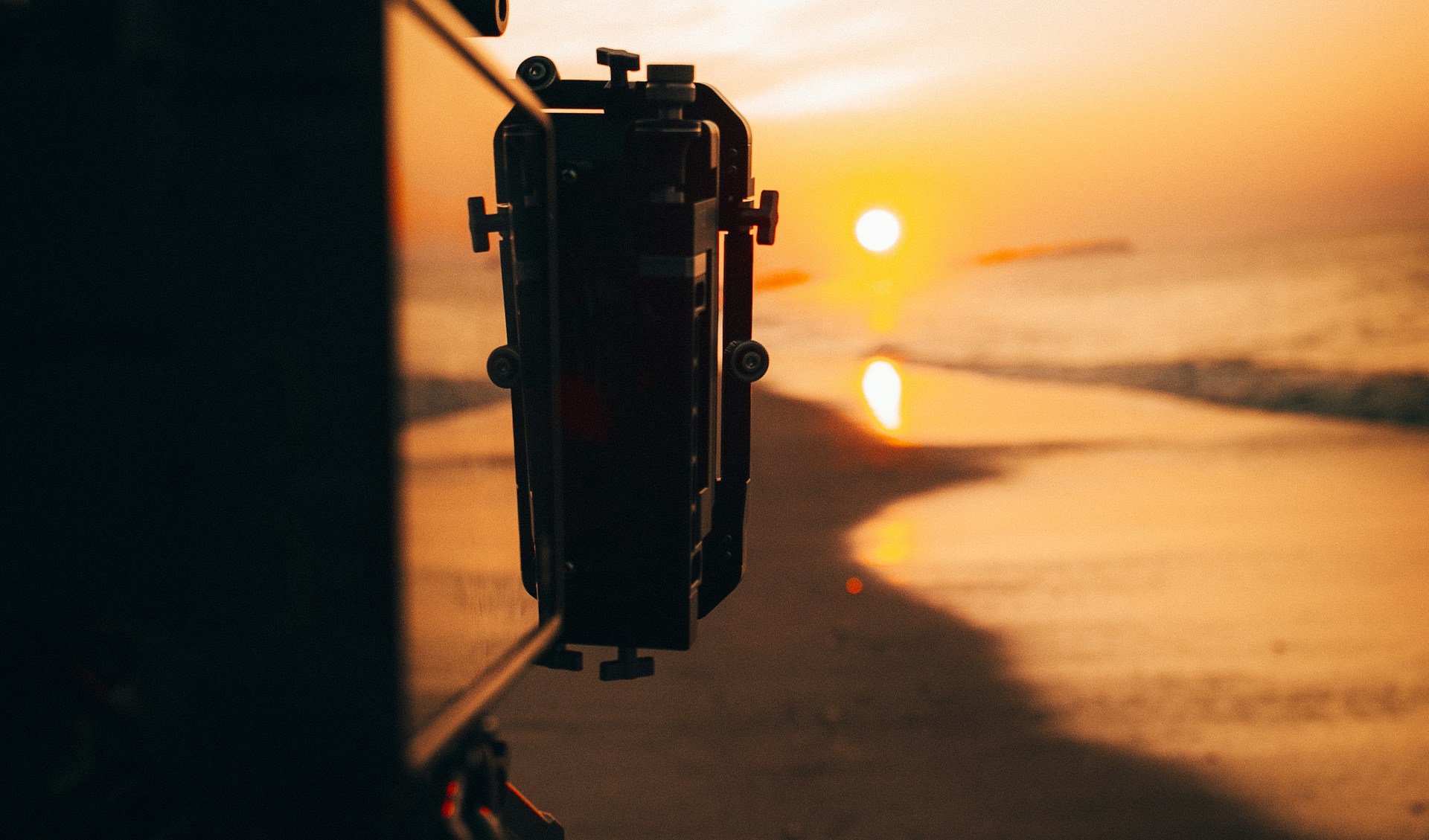
Every cinematographer eventually learns the same truth: the best gaffer on a location shoot is the sky. Natural light has qualities no fixture can fully replicate — the softness of an overcast morning, the warmth and direction of late-afternoon sun cutting through a window, the cool blue of dusk pressing against warm practical lights inside. Learning to see, predict, and harness it is one of the core skills of the craft.
1. Hard Light vs. Soft Light — What It Does to Moving Images
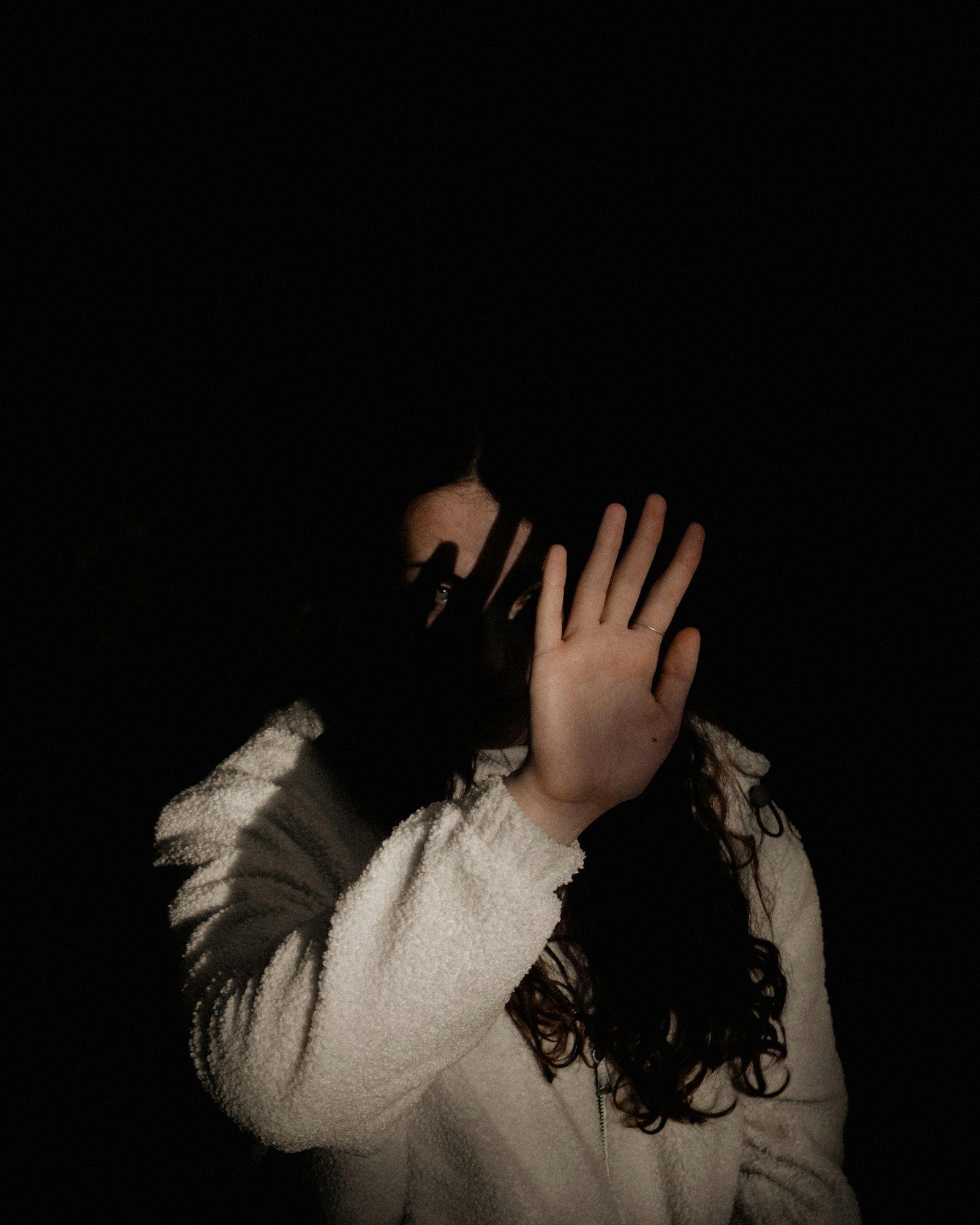
The same distinction that matters in photography matters in cinematography — but in motion, it carries additional weight. Hard light casts sharp shadows. When an actor moves through hard light, the shadows move with them, changing dramatically with every shift of the head. This can be intentional and powerful, or it can be distracting and unflattering depending on the scene.
Soft light wraps around faces and forgives movement. An actor turning their head under a large diffused source moves through gradual, beautiful transitions — the light follows them. This is why cinematographers use large softboxes and silk diffusion on controlled sets. On location, an overcast sky does the same work for free.
“Hard light reveals. Soft light flatters. The question isn’t which is better — it’s which one serves the scene you’re trying to make.”
Hard Light: Direct Sun, Bare Source
Sharp shadow edges, high contrast, texture revealed. Useful for tension, heat, menace. Difficult for flattering close-ups on moving subjects.
Soft Light: Overcast, Diffused Source
Gradual falloff, flattering movement, wraps around form. The default for intimate drama and character work. Forgiving on skin in motion.
Motivated Light: Window, Practical Source
Light that appears to come from a source the audience can see. Powerful for realism and visual grounding. Natural light through windows is the purest form.
Mixed Color Temp: Daylight + Artificial
The blue of window light against warm tungsten interiors. Used intentionally to create depth and place. One of cinema’s most powerful natural looks.
The mixed color temperature situation — cool daylight from windows against warm interior practicals — is one of the most cinematic looks available on any location. Think of films like There Will Be Blood or Sicario. Rather than correcting it out, lean into it. The tension between cool and warm reads as depth and realism on screen.
2. Time of Day — Scheduling Your Shoot Around the Light
A location scout and a schedule are the same document for a cinematographer who works with natural light. The light at 7am and the light at 2pm in the same location are completely different scenes. The best DPs don’t just visit a location — they visit it at the time of day they intend to shoot.
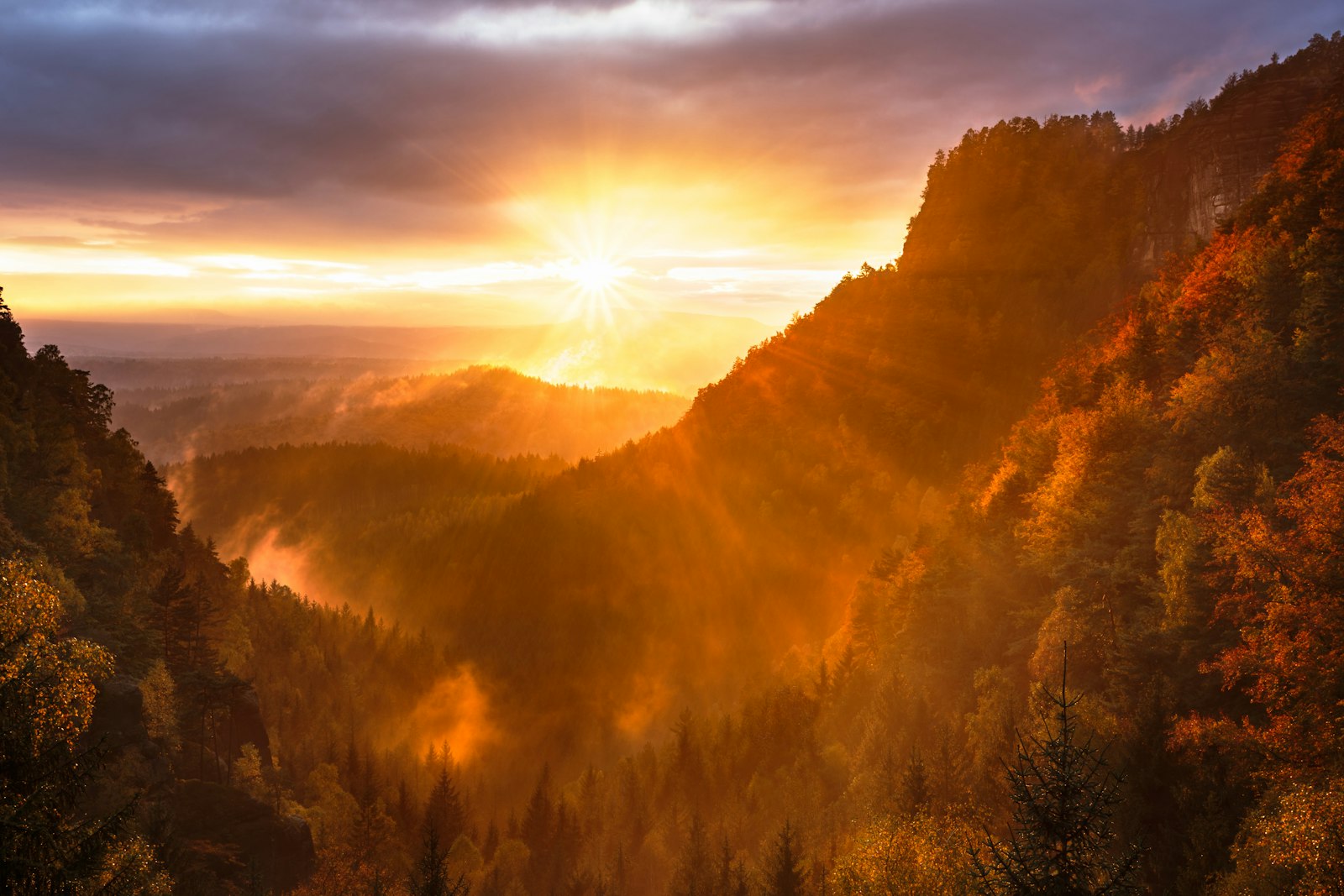
Golden Hour: First & Last Light
Warm, directional, long shadows. The cinematic standard. Schedule your most important exterior shots here.
Blue Hour: Dusk & Pre-Dawn
Cool, even, atmospheric. Exteriors look cinematic without a single artificial light. Only 15–25 minutes — move fast.
Overcast: All-Day Consistency
A gift for cinematographers. Consistent exposure across hours, no harsh shadows, forgiving for coverage. Schedule drama here.
Midday: Overhead Sun
Overhead hard light, raccoon shadows on faces. Works for stylized scenes, action, heat. Move characters into shade or diffuse it.
Magic Hour: Right After Sunset
Sky acts as a giant ambient fill. Balanced, soft, transitional light. A narrow window but wildly cinematic when the camera is rolling.
Why cinematographers worship golden hour
The sun at golden hour is low on the horizon, traveling through more atmosphere — the blue light scatters and you’re left with warm reds and oranges. The direction is horizontal, meaning the light skims across faces and landscapes with extraordinary dimensionality. Shadows are long, textures are revealed, and the color temperature sits at around 3000–4000K — beautifully warm without correction. This is the light that makes landscapes breathe and faces glow.
The practical challenge: golden hour is short and unforgiving. A scene that takes 45 minutes to shoot has maybe 20 usable minutes at the right quality of light. Good cinematographers plan their setups before the window opens, pre-position the camera, brief the director on pacing, and are ready to roll the moment the light hits. Then they move with urgency and intention for every minute they have it.
Overcast is your most underrated shooting condition
Many productions dread cloudy days. Experienced cinematographers often quietly prefer them. Consistent soft light means your exposure doesn’t shift dramatically between setups. An actor can move freely without stepping in and out of harsh shadows. You can shoot in any direction without fighting the sun. The creative constraint is that your images will naturally feel moodier, more intimate — which is often exactly what a scene of emotional weight requires.
3. Direction of Light — Blocking for the Sun
On a controlled set, the DP decides where the light comes from. On location, the sun decides — and your job is to place the camera and block the actors to make that light serve the story. This is what blocking for the light means, and it’s one of the most important skills in location cinematography.
Front lighting — light source roughly behind the camera — gives you flat, even illumination. Safe for coverage. Lacks dimension. Useful when you need to see everything clearly without drama.
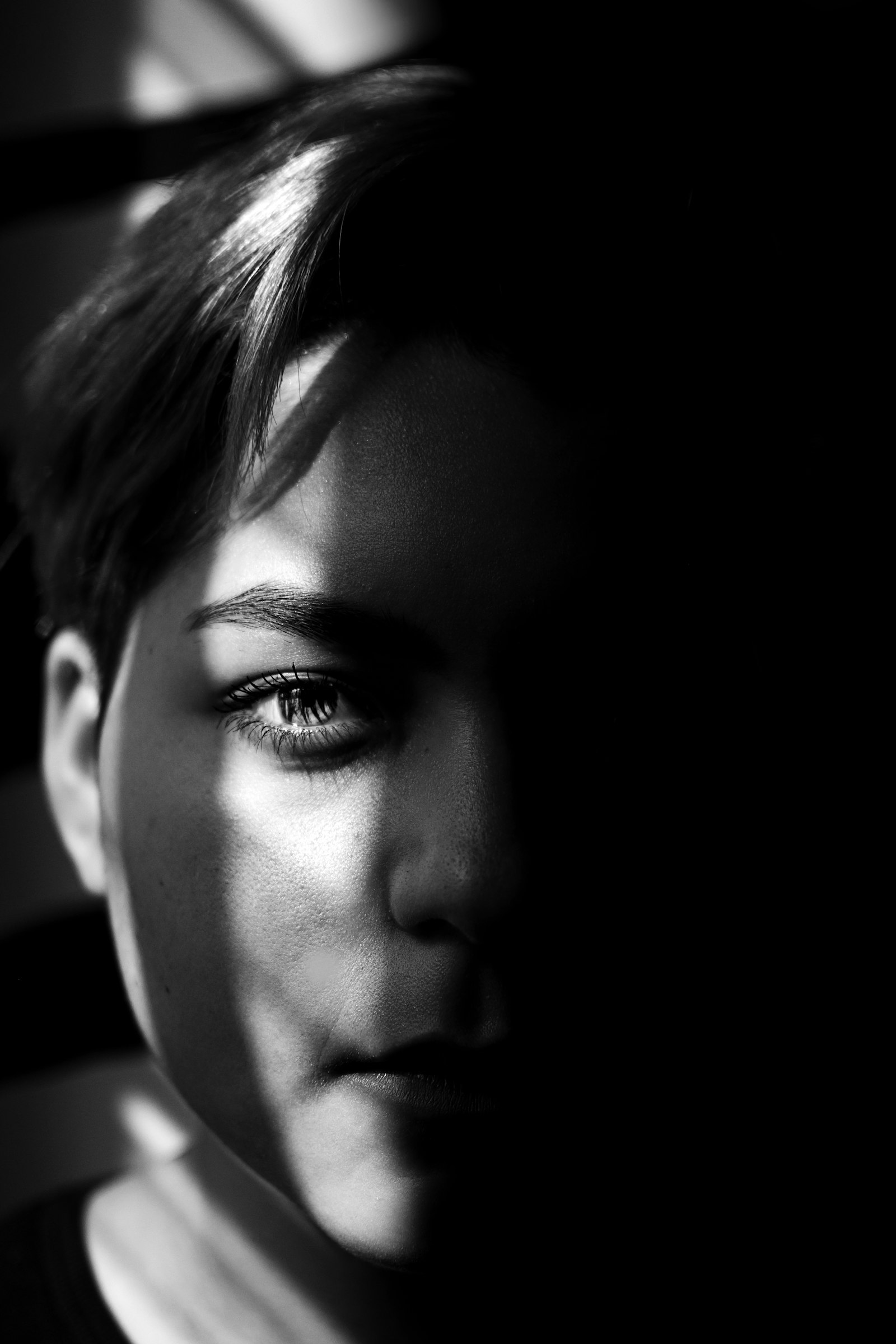
Side lighting — sun at 90 degrees to the lens — reveals texture and form with force. Every contour on a face, every crease in fabric, every blade of grass stands in relief. This is the light of the golden hour when the sun is low and directional. Extraordinary for landscape inserts and for actors in close-up, where the side light creates a half-lit, half-shadowed face full of weight and character.
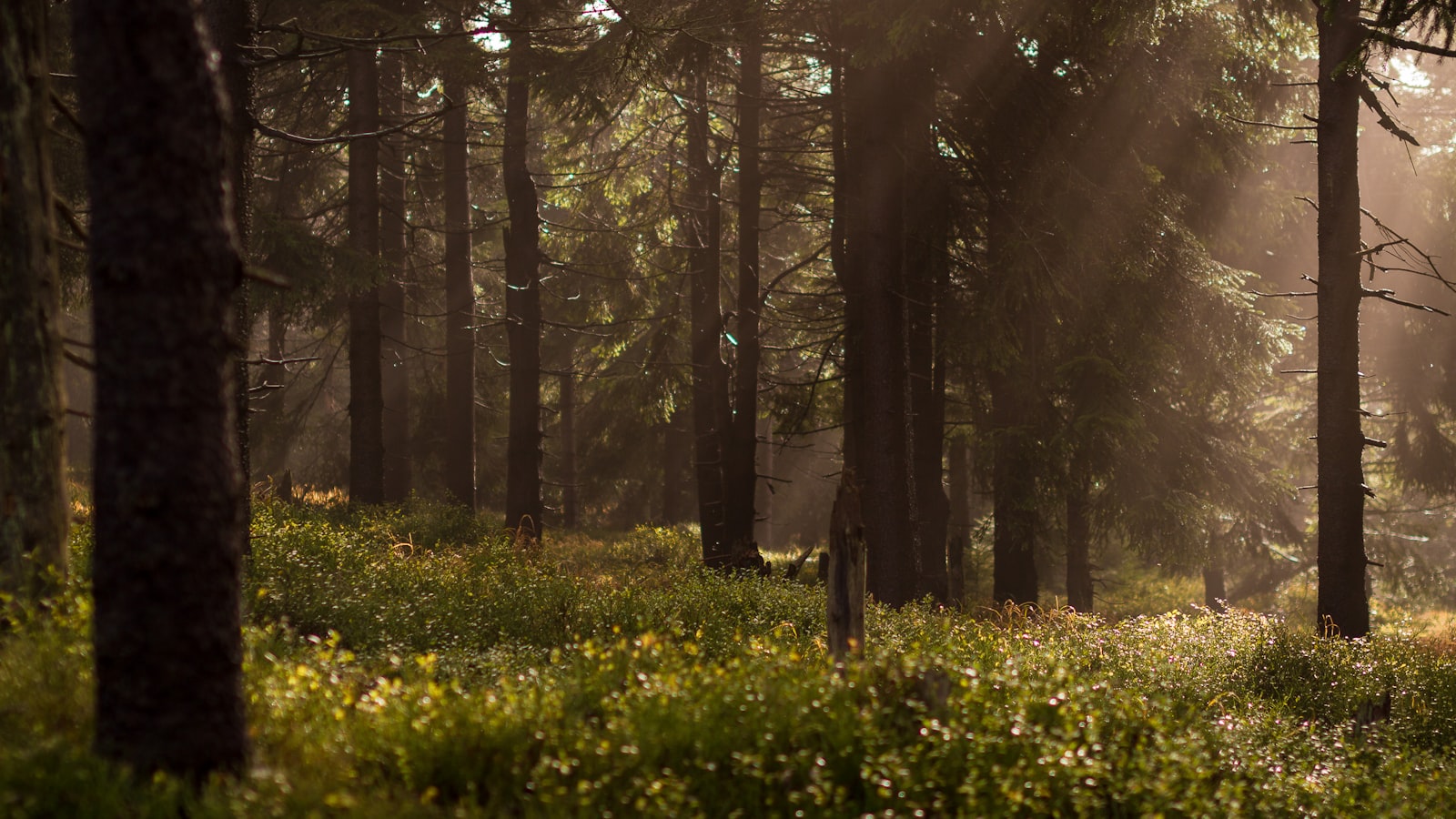
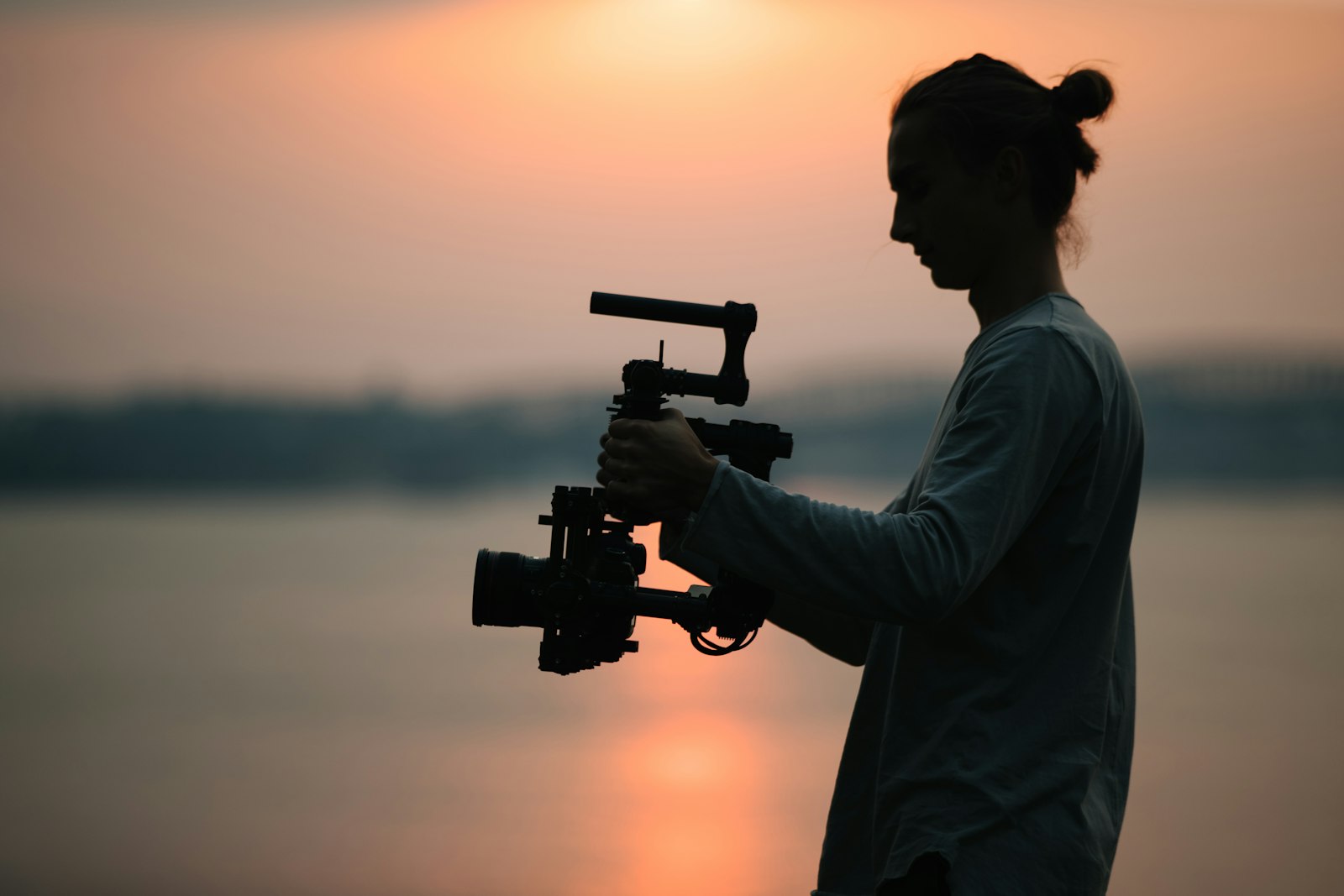
Backlight — shooting toward the sun — is the most cinematic and the most technically demanding. Subjects are rimmed with light: hair glows, shoulders glow, the edge of every object is defined by burning white. Expose for the subject and let the background blow out, or expose for the background and let the subject become a silhouette. Both are valid. Both are powerful. The decision is always dramatic.
A practical technique: when scouting a location, note the compass direction the main windows or openings face. Know where the sun will be at your shoot time using an app like Sun Seeker or PhotoPills. Arrive knowing whether your hero light will be coming from camera left or right, how high it will be, and roughly how long it will last before the angle changes. Then design your blocking around that information.
4. Window Light — The Cinematographer’s Best Friend Indoors
Interior location work lives and dies by windows. A large window is a natural source of soft, directional, motivated light — and motivated light is always more convincing and more beautiful than unmotivated light. When the audience can look at a frame and feel instinctively that they understand where the light is coming from, the image reads as real.
The classic setup: actor positioned a few feet from a large window, at a 45-degree angle to it. Window-side of the face catches the light beautifully. Shadow-side falls off gradually. A white reflector or bounce card on the shadow side can open up the fill if needed without introducing any artificial light sources. The result is a cinematic close-up that looks like it cost a lighting package — because the sun did all the work.
Working with window light on a moving camera
The challenge in cinematography versus photography is that the actor moves and the camera moves. A static close-up in gorgeous window light can become an inconsistently exposed mess the moment the actor steps back or the camera tilts down to a tighter frame. This is where exposure management becomes critical — either lock your exposure before the actor moves and accept slight variation, or use manual exposure adjustments sparingly and invisibly during a move. Most DPs prefer to accept the natural variation; it reads as organic and alive rather than mechanically corrected.
Exposure Note for Video
Unlike still photography, video requires consistent exposure within a shot. Use ND filters (variable or fixed) to manage bright window light without opening aperture or lifting ISO beyond your desired settings. The goal is to shoot wide open — or close to it — for maximum depth of field control, with shutter speed locked at the 180-degree rule (double your frame rate), and exposure controlled by ND.
Window Light Workflow for Cinematographers
- Turn off all artificial interior lights first — mixing color temperatures creates an uncontrollable and usually unflattering combination
- Use sheer curtain or diffusion material over harsh direct sun windows to soften the source without eliminating it
- A V-flat (black on one side, white on the other) is the most versatile tool for controlling window fill — use white to open shadows, black to deepen them
- Scout interiors at the actual time of day you’re shooting — window light changes dramatically with sun angle
- In a scene with multiple camera angles, note which setups will have the window in frame — it may motivate a shift in blocking for reverses
5. Learning to See Light as a Cinematographer
The technical knowledge in this guide takes an afternoon to read. The skill it’s describing takes years to develop. Seeing light the way an experienced DP sees it is not an instant unlock — it’s a discipline of continuous observation, refined over thousands of hours spent looking at the world through a frame.
The practice is simple: wherever you are, whenever you have a moment — look at the light. Not at the subject. At the light. Where is it coming from? What color is it? How hard are the shadow edges? What would happen if a face moved into that patch of backlight in the corner? What does that contrast ratio say about the mood of this room?
Start keeping a visual reference log — stills, video, screenshots from films you admire. When an image moves you, ask yourself what the light is doing. Over time, you’ll begin to recognize recurring patterns: the way soft overcast light makes skin glow in a certain way, the specific quality of light thirty minutes after sunset, the blue that creeps into interiors when the sky outside is just beginning to fade.
The cinematographers you admire didn’t develop that eye from reading. They developed it from watching — obsessively, analytically, with intention. Go outside at golden hour with nothing but your eyes. Look at what the light does to every surface it touches. That’s the education that no gear can replicate.